
The Road Back to Real
Let’s harness trends and technology while keeping the heart of storytelling alive.

After celebrating my daughter’s first birthday surrounded by friends and family, it dawned on me how we all live in our own little bubbles. Some were talking about the real estate market. Others, like a stay-at-home mom or an interior designer, work in industries far removed from PR, media or AI. Listening to them talk about their lives, their little universes, was… honestly, kind of refreshing. And yet, as the chatter shifted to questions like, “What podcasts are you listening to?” “Do you follow this influencer?” “Do you use the Nanit or the Harbor?” or “Have you tried this new supplement?” it hit me: no matter the bubble, we’re all tuned into something. Everyone is reading, watching, or listening—and in some way, influenced by the work we do in media and communications.
It’s a powerful reminder that while our industry feels like a whirlwind of chatter, advice, and endless LinkedIn posts about the latest trends in affiliate marketing, earned media, or how to get seen by AI-powered search engines, it’s still a bubble. Sometimes it’s refreshing to step outside of it and see what others are actually talking about and where they get their information: from colleagues, friends, family.
In a media world overflowing with noise, clickbait, and fast-changing trends, it’s easy to feel overwhelmed. But beneath all the hype and rapid shifts lies a powerful opportunity for brands, marketers, and journalists alike: a chance to lead the way back to authentic storytelling that builds real trust and meaningful connections.
This is a unique moment—THE moment—for our industry to shine. To move beyond tired clichés and inflated metrics, and instead embrace transparency, collaboration, and stories that genuinely resonate.
Whether you’re a pro or just starting out in PR, the path forward is clear: keep it real, stay curious, and focus on the relationships that matter most.
The Backlash of ‘The Best Thing I’ve Ever Used’
Last week, I had a conversation with a seasoned journalist who asked a question that really stuck with me:
“When did product reviews become about branding instead of utility?”
We’ve been asking that for a while now, haven’t we? Between constant affiliate links, heavy-handed discounting, and headlines that scream, “This will change your life,” the truth often gets buried in the hype. It's no wonder consumers feel jaded.
In my last post, I touched on the issue of storytelling fatigue. But there’s more to it than just stale phrases. It’s about trust. Both on the side of the media and brands. When you overpromise and underdeliver, everyone loses. So, how do we find our way back?
Let’s Be Honest About Trust
The truth is, transparency is the bedrock of credibility. For media outlets, that means having the courage to step back from writing generic, affiliate-driven copy and asking: “Does this product really have the impact we claim it does?” For brands, it means being upfront about the value your product truly offers without leaning on exaggerated promises that often leave a bad taste.
When was the last time a brand openly said, “This product isn’t for everyone, but here’s why it might work for you”? I’ll bet it was refreshing. I know, because that is what makes people connect.
The Case for Value Over Virality
We’ve all seen these viral TikTok trends - The One Thing You Must Have in Your Kitchen - where every single influencer swears it’ll change your cooking life, or your waistline. The issue is, it’s not just one item anymore; it's everything. In an endless parade of "game-changing" products, they all lose their edge. So what if we shifted gears?
Instead of chasing virality, let’s build stories that celebrate genuine value and real-world use - like products that solve problems or enhance a lifestyle - right? Let’s stop focusing on chasing the next big wave of attention and instead, cater to consumers who value substance over sensationalism.
🤝 Partnership is Key
Here’s the kicker: brands and journalists have the power to work together to co-create authentic stories that resonate - not just a fluff piece with an affiliate link attached.
Think of it this way:
Brands: Focus on transparency. Don’t just sell the product, tell the story behind it. What’s the mission? How does it fit into today’s world?
Media: Focus on contextualizing products. How do they fit into real life? How can they enhance your audience’s life, rather than feeling like another forced ad?
A Lesson from Social Media: The Power of Simplicity
This week, I stumbled upon a newsletter from Rachel Karten (Link In Bio), and something she said really clicked. She shared a moment of frustration about the constant churn of social media strategies, where everything feels repetitive and disconnected from real brand building. As she wrote:
"Every post looks the same. Trends ‘perform’ but don’t build brand equity. Algorithms favor rage bait. AI is everywhere and audiences don’t seem to care. Strategies that used to work, now fall flat. All of this matters. None of this matters."
I think we can all relate. When we zoom in on the digital landscape, everything starts feeling like a competition for attention, fueled by AI and algorithms instead of authenticity. But Rachel’s point about Little Joy, a small coffee shop in Minnesota, stuck with me. They built a real following through something as simple as episodic content that highlighted the business and its community. Without any viral trends or gimmicks. Their revenue was up 40% YoY, and their growth didn’t come from flashy “life-changing” claims, it came from genuine storytelling.
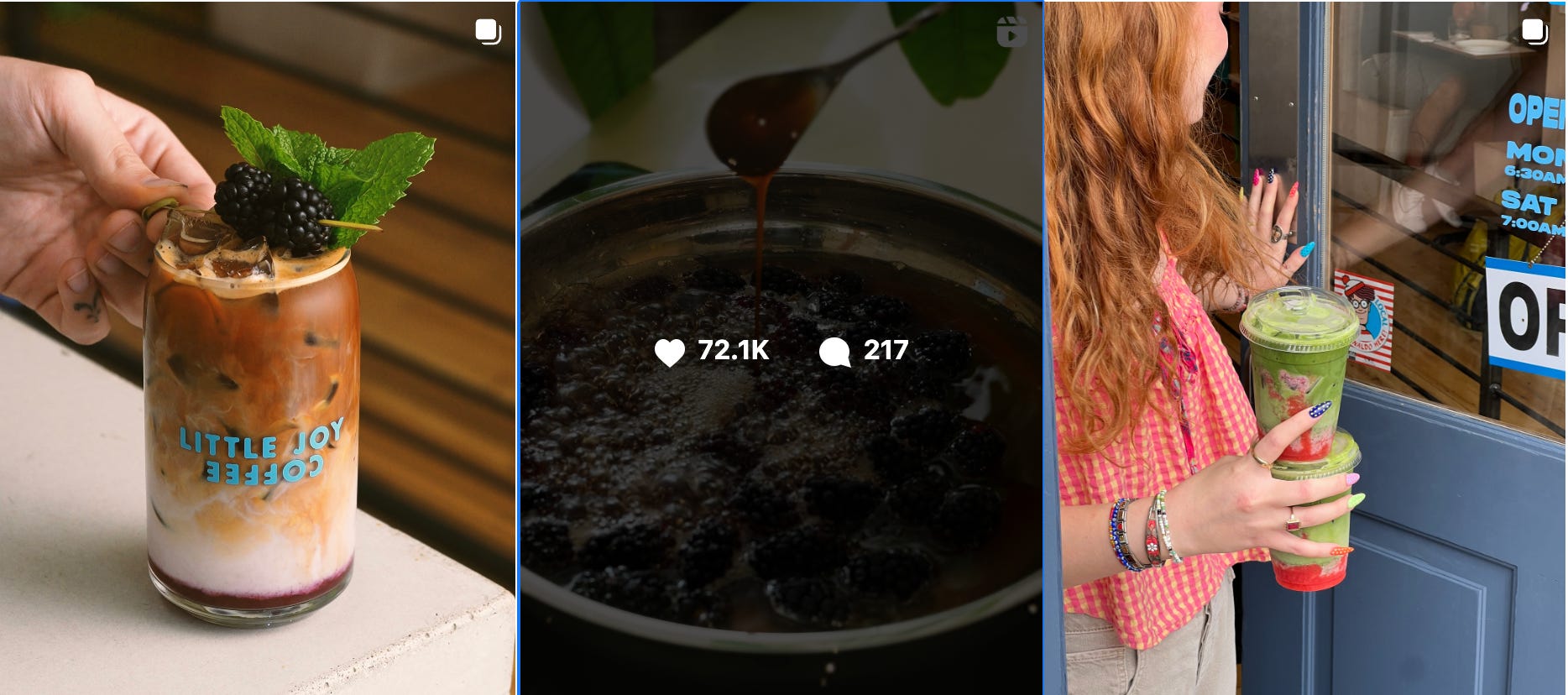
This isn’t just happening in social media, because it’s the same challenge we face in journalism today. The obsession with virality and trends has stripped storytelling of its true value. We’re all chasing clicks rather than creating something meaningful.
Maybe the answer isn’t to outsmart the system, but to simply go back to basics. What if the answer is more like Little Joy: building trust, being consistent, and telling a real story, without the need for constant hype?
On the Other Hand - What Not to Do… A Case in Point
We talk a lot about what brands are doing wrong, but here’s another important example of what not to do from creator standpoint (especially when building trust with brands):

Last week, Business Insider published a piece about Newsette’s business, and uncovered a huge discrepancy between the subscriber numbers they quoted publicly vs. the actual figures. Their claim of having over 1M subscribers was found to be inflated (closer to 500K, which is a sizable difference...). This is a massive problem, because when you mislead sponsors, the reputation of your entire industry can take a major hit. Brands, and especially those who are not clear on ROI, will dig deeper into current relationships and may be far more skeptical moving forward.
So, here’s what I suggest: If you’re a publisher or a brand working with media partners, ask for and share screenshots, evidence, and real metrics. Transparency is the new currency in PR, and without it, you risk damaging relationships and reputation. Trust me, no one wants to be caught in the middle of a PR scandal about inflated numbers. It’s bad for everyone.
Let’s Stop the Press: The Real Storytelling Revolution
Here’s where things get tricky, and honestly, I almost don’t want to talk about it because it’s cluttering up my feeds and every new update gives me a bit of anxiety. (Yes, I’m an AI-driven tech founder, but even I find it overwhelming). There’s so much noise and nonsense swirling around. It’s AI this, SEO that, GEO, AEO… I’ve lost track of the latest acronym.
Whatever name it goes by, it’s already reshaping how content is created with algorithms not just recommending products, but actually selling them directly.
As a recent New York Magazine deep dive explains, for almost two decades, businesses have optimized their content for Google through SEO: shaping headlines, recipes, and product descriptions to catch the search engine’s eye. Now, with chatbots like ChatGPT integrating search and answers, the game is shifting again to what’s being called Generative Engine Optimization (GEO), or Answer Engine Optimization (AEO).
“LLMs like Google AI and ChatGPT summarize and excerpt content in chunks,” says SEO expert Aleyda Solis. “If you want to get cited, publish content with clear, structured, citable sections and authorship.” Tim Worstell, a digital strategist, notes that listicles and authoritative content with data points and comparison tables do well because AI looks for easily digestible “snackable” information. Yes, AI loves content that’s easy to consume — bite-sized, well-organized, and perfectly snackable :)
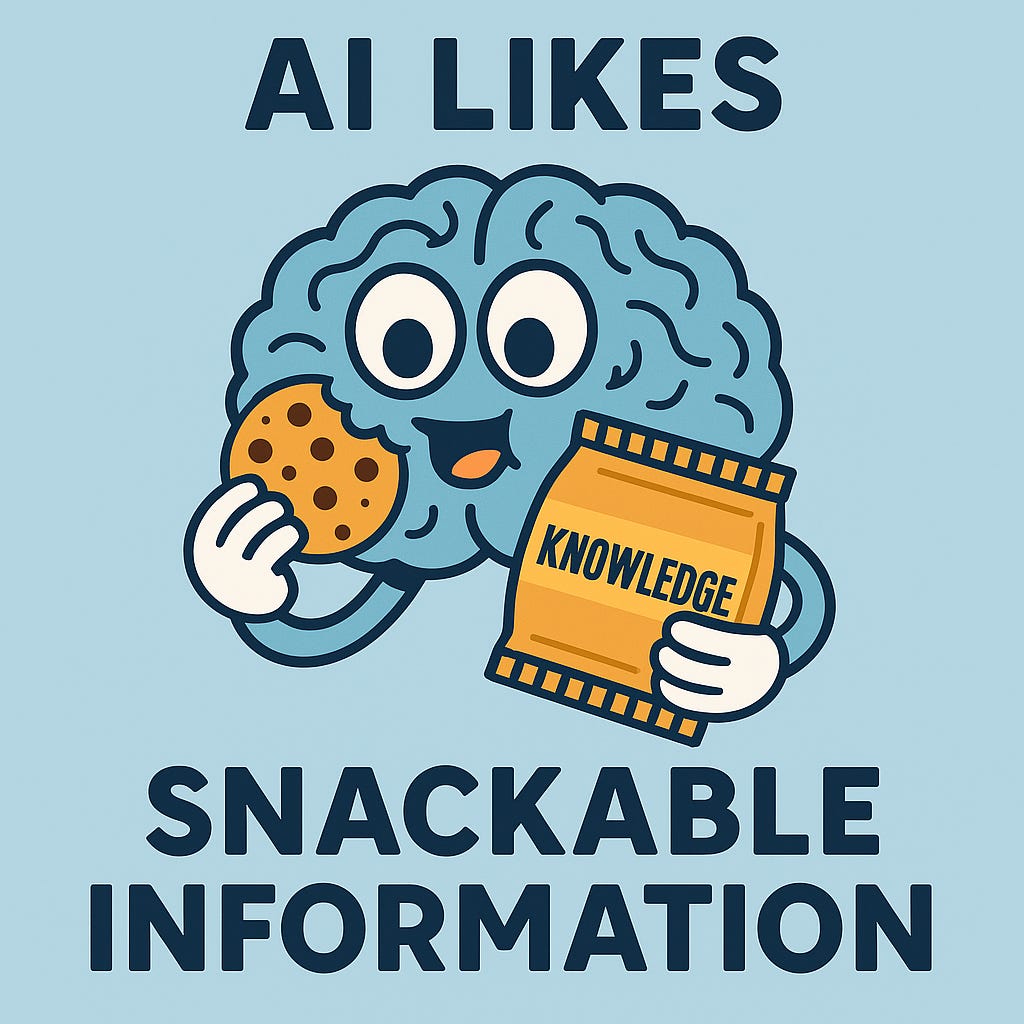
This new landscape means content isn’t just designed to rank anymore, it’s designed to be scraped, summarized, and remixed by AI chatbots that serve answers directly to users.
But here’s the irony: despite all this tech wizardry, the core of effective content creation remains the same. As Abhishek Iyer, a former Google engineer, puts it, “Everything that’s good for humans is good for SEO now.” He emphasizes “responsible augmentation” — using AI to speed up research and drafting, while humans keep the voice, accuracy, and integrity intact.
The Advice Overload: What Actually Moves the Needle
Now, I’ll be real with you, there’s an avalanche of advice out there. Everywhere you look, it’s “Do this now,” “GEO is everything,” “No wait, AEO is everything,” “You must have schema markup on every press release, every article,” “You must prompt-test,” “Only pitch publishers that get visibility in AI results” and on and on.
Honestly, it’s enough to make your head spin. So, I’m going to add one more acronym I came up with today:
AINOISE — Artificial Intelligence: Never-ending Overload of Ideas, Strategies & Experts.
I’m all in on AI and using it to our advantage. But this flood of advice, trends, and buzzwords about AI that everyone’s throwing our way.. it’s a bit much and overstated. Hence, it’s AINOISE.
I’m even seeing posts from PR influencer, Sarah Evans’ about “becoming an answer engine editor” and how we have to craft content to please AI models to read before it ever gets to humans…
I get the tech. I really do. But I don’t want us to lose sight of the core of what PR is about: trust, credibility, and relationships. These will always be the crux of our foundation.
So in this flood of acronyms and AI hype, here’s what I want to remind you: real, honest human storytelling is more important than ever. (Plus, have you seen Reddit’s latest market value?)
Consumers aren’t looking for keyword-stuffed robotic text. They want connection, context, and authenticity. They want real stories that build trust.
Yes, AI is reshaping content discovery and delivery, but it’s not replacing the relationships and credibility built through genuine storytelling.
So What’s Next?
But here’s the real deal: successful brands and media won’t just survive by chasing trends; they’ll thrive by staying grounded in what never changes.
That means:
Authenticity over Al. AI might help get your content seen, but real impact comes from stories that connect with people on a human level.
Use AI as a tool, not a crutch. Leverage AI to enhance research, speed up drafting, and optimize structure, but don’t outsource your strategies, your voice or your values to it.
Stay adaptable, but with a grain of salt. Keep an eye on the latest AI developments, but be selective about which tools and strategies genuinely serve your brand, your audience and goals.
Double down on relationships. In a world of algorithms, genuine trust between brands, media, and consumers is your most powerful advantage.
Be Transparent in Partnerships! Be straight-forward and show your real metrics. It’s okay to acknowledge when something isn’t a fit or when you’ve had a bad experience. You will actually get an effective outcome when there’s honesty and respect.
Measure what matters. Beyond clicks and rankings, track engagement, sentiment, and long-term connection i.e. metrics that reflect real impact.
The AI revolution is real and transformative. But so is the timeless power of a great story, told honestly. I believe the future belongs to those who master both - story telling and smart technology.
Let’s stay real, stay curious, and keep telling stories that matter!
- Michelle aka “Captain Hook”
Thank you so much - appreciate it!
Thanks so much for reading and glad someone else agrees!